Basement Flooding in Toronto: What Causes It and What You Can Actually Do About It

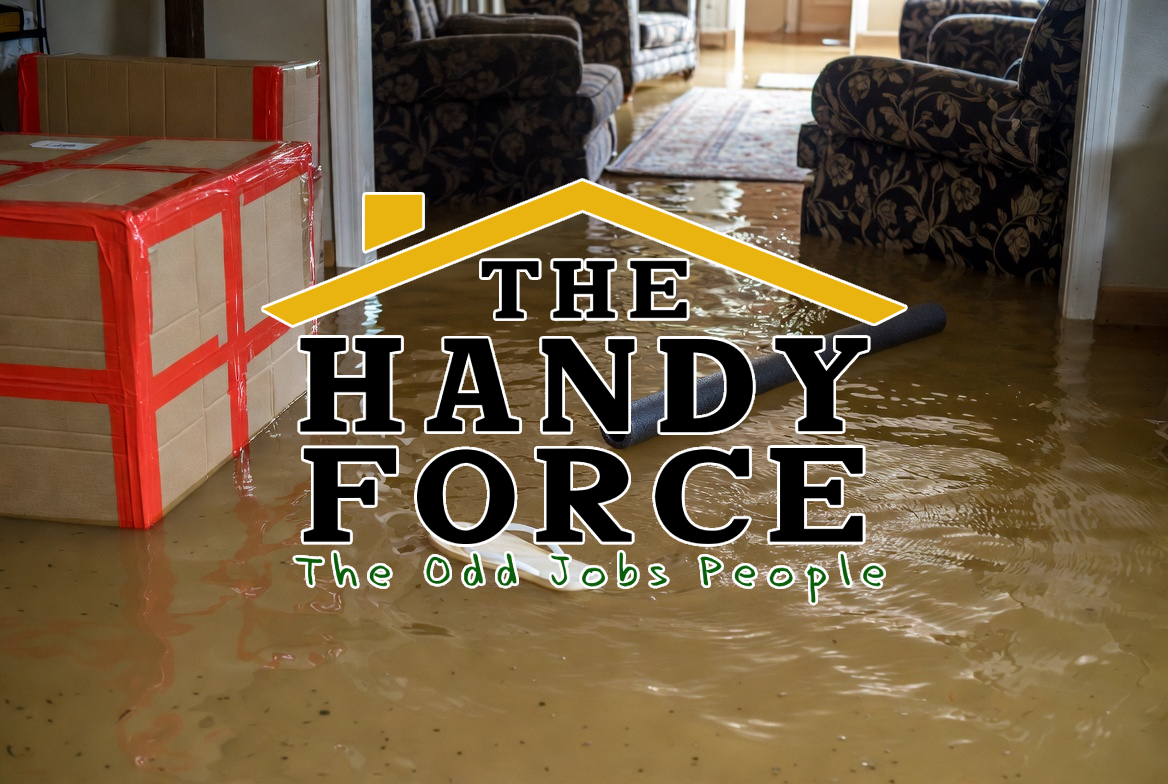
Basement flooding is one of the most stressful things that can happen to a Toronto homeowner – and it’s more common than it should be, because many of the causes are preventable. Toronto’s aging sewer infrastructure, combined with older housing stock and the city’s increasingly heavy rainfall events, means the problem is getting worse, not better.

Here’s a clear-eyed look at why basements flood and what the solutions actually are.

The Three Main Causes of Basement Flooding

1. Surface Water Entry

Water enters through windows, window wells, doors, and cracks in the foundation wall during heavy rainfall. This is surface water – it hasn’t come up through the floor, it’s come in through the exterior of the home.

Causes: Poor grading (the ground slopes toward the house rather than away), inadequate window well drainage, failed or missing parging on the exterior foundation, cracked or deteriorated window and door seals.

2. Sewer Backup

During heavy rainfall, Toronto’s combined sewer system – which handles both stormwater and sanitary sewage – can become overwhelmed. When it does, sewage can back up through floor drains, toilets, and other basement fixtures. This is arguably the worst kind of basement flooding because of the contamination involved.

The City of Toronto’s Basement Flooding Protection Subsidy Program provides financial assistance for qualifying backwater valve installation and other protective measures. If you’re in a flood-prone area, this program is worth investigating.

3. High Water Table / Hydrostatic Pressure

In some Toronto neighbourhoods – parts of Leaside, the Don River valley, and areas near ravines – the water table is high enough that hydrostatic pressure pushes water through the foundation floor and walls during wet seasons. This typically presents as seepage rather than sudden flooding, and it gets worse over time as foundation waterproofing ages.

The Solutions

Grading Correction

If the ground around your home is sloped toward the foundation, correcting the grade is one of the most cost-effective waterproofing investments available. The ground should slope away from the house at a rate of about 6 inches over the first 10 feet. This is often a straightforward landscaping job.

Downspout Disconnection and Extension

Downspouts that deposit water at the foundation wall are a major contributor to basement flooding. Extending them at least 6 feet from the foundation – or connecting them to a rainwater barrel or underground drainage system – makes a meaningful difference.

Backwater Valve Installation

A backwater valve is installed on the main sewer line where it exits the house. It allows flow out but prevents sewage from coming back in during a sewer backup event. This is the most effective protection against sewer backup and is a requirement for some insurance endorsements. The City subsidy program covers a portion of the cost.

Interior Waterproofing System

For hydrostatic water entry through the floor or lower walls, an interior drainage system – a perimeter channel cut into the basement floor, connected to a sump pit with a sump pump – captures water before it can spread across the floor. This doesn’t stop the water from entering the foundation, but it controls where it goes. A battery backup sump pump is essential; power outages and heavy rainfall tend to occur together.

Exterior Waterproofing

Excavating the foundation exterior, applying new waterproofing membrane, and installing a drainage board and weeping tile is the most comprehensive solution – and the most expensive. It’s the right answer when the foundation itself is the problem, not just the drainage around it.

What to Do After a Flood

Remove water as quickly as possible – standing water causes mould within 24 to 48 hours. Document everything for insurance purposes before starting cleanup. If the water is from a sewer backup, it should be treated as contaminated and professional remediation is the right call.

Then address the cause – not just the symptoms.

Ready to Talk?

If you have questions about your home – or you’re ready to get started – call us at 647-427-7366 or request a quote at thehandyforce.com. We serve East York, North York, and the surrounding Toronto neighbourhoods.

– The HandyForce Team

The Importance of Regular Home Maintenance

Once you buy your first home, you realize that you will never be bored again. There is always something to fix, upgrade or change in a home. Home maintenance is a topic most of us have some level of experience with, but few think about how important it really is.

So in this article we would like to direct your attention towards some of the main reasons why you should never ignore signs of wear and tear, and why regular home maintenance is so crucial. Enjoy!

Keeping dry and warm

Canadian homes are susceptible to roof damage due to the harsh weather conditions in many parts of the country. Thus regular maintenance and inspections can help detect and repair small issues, before they become major problems that will force you to take drastic measures.

Preventing water damage

Unfortunately it is not just the roofs that can suffer from the weather in Canada. Everything from the basement, windows and door openings can also leak water if not maintained properly. And water damage can be an expensive issue to fix once it has taken root.

Avoiding issues with the HVAC

As you know, the Canadian winters can be harsh for our homes. Thus it is essential to have a heating system that works when you need it. You should regularly maintain your HVAC system in order to ensure you can always turn on the heat to avoid mold and humidity issues.

Protecting against pests

Depending on where in the country you live, Canadian homes are vulnerable to certain types of pests, especially during the colder months. Regular pest control and prevention measures can help keep your home safe from infestations.

And on the topic of pests, a regular inspection will also identify whether you have critters gnawing away at your insulation or wiring, hopefully before the problem becomes too severe.

Improving the indoor air quality

Proper air filtration and ventilation can help improve indoor air quality, which is especially important for those with allergies or respiratory issues. HandyForce can provide air duct cleaning services to remove dust, dirt, and other debris from your HVAC system, improving indoor air quality.

Increases the property value

Regular home maintenance helps to maintain the value of your property. When you eventually decide to sell your home, the condition of your property will significantly impact the selling price.

By keeping up with the regular maintenance, you can ensure that your home is in top condition and can command the highest possible price when it becomes time to sell on the market. You will also have a better conscience, knowing that you left the new homeowners in a good starting position.

Reduces the repair costs

By keeping your home well maintained you can also fix issues before they turn into larger projects that require expensive materials and weeks or months of contractors. As with many things in life, it is often best to act as soon as possible, and by catching potential issues early, you can thus save money in the long run.

Saves time and stress

Last but not least, if you are regularly maintaining your home you will also save time in the long run. By fixing issues while they are small and insignificant, you avoid the larger projects, or at the very least postpone them significantly.

This will also lead to less stress, as you will not have to worry about the upcoming snowstorm, as you will feel more comfortable and confident, knowing that everything is in good working order.