1-888-910-7366





If the water pressure in your shower dropped so gradually that you never quite noticed, and if the hot water runs slightly rusty after a holiday away, the likely explanation is sitting inside your walls. Galvanized steel supply pipe was standard in Toronto houses into the 1950s, and a lot of it is still in service well past the end of its design life.
It fails slowly and quietly, which is exactly what makes it worth understanding before it becomes urgent.
What It Is and Why It Fails
Galvanized pipe is steel with a protective zinc coating. The zinc is what keeps the steel from corroding, and it works well for decades. Eventually it wears away from the inside, water reaches bare steel, and the steel begins to rust.
The rust does not mostly cause leaks. It builds up. Layer by layer, the inside diameter of the pipe closes in, until a half inch line is carrying the water a quarter inch line should. From the outside the pipe looks perfectly sound. Cut one open on a job and the opening in the middle can be down to the width of a pencil.
That is why the symptom is pressure rather than water on the floor.
How to Tell If You Have It
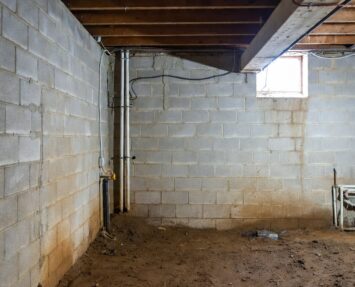
Find where the water comes into the house, usually in the basement near the front wall, and look at the pipe. Galvanized is dull grey, the same colour as a galvanized nail, and it is threaded into fittings rather than soldered. Copper is obvious and unmistakable. Modern plastic supply lines are equally obvious.
A magnet is the quick test. It sticks to galvanized steel. It does not stick to copper or brass.
One thing to watch for: many Toronto houses have been partly done. Someone replaced the visible basement runs with copper twenty years ago and left the original pipe inside the walls. The basement looks fine and the upstairs bathroom is still fed through 1948 steel. If your pressure is poor upstairs but good at the laundry tub, that is the pattern.
The Symptoms
- Poor pressure, worst at the highest and furthest fixtures
- Pressure that collapses when a second tap is opened
- Brown or rusty water after the house has been empty for a few days
- Hot side noticeably worse than cold, because heat accelerates the process
- Staining in tubs and sinks
- Screens and aerators that clog repeatedly with grit
The last one is a good early indicator. If you are cleaning aerators more than once a year, something upstream is shedding.
Why Patching Does Not Work
The instinct is to replace the worst section and leave the rest. It rarely ends well, for two reasons.
First, all the pipe in the house is the same age and has had the same water through it. The section that failed was not unlucky, it was first. The rest is behind it.
Second, disturbing old galvanized pipe frequently breaks loose scale that then travels downstream and lodges in valves and fixtures. A small repair can be followed within a week by several new complaints that were not there before. That is not the plumber being careless, it is the nature of the material.
The economic answer is usually to replace the supply piping as a whole, ideally in stages that match other work you were going to do anyway.
Doing It Without Gutting the House
Homeowners picture every wall being opened. In practice a good plumber will run new lines through basements, closets, chases and floor cavities, keeping the opened areas to a series of patches rather than a demolition.
The best time to do it is when you have another reason to be in the walls. A bathroom renovation is the obvious one, since bathrooms are where most of the supply pipe goes. If you are already planning a bathroom project, ask to have the supply piping assessed as part of it. The marginal cost of doing the rest of the house at that point is much lower than doing it as a standalone job later.
Expect drywall repair and painting afterwards. Any quote that does not include making good is not a complete quote.
What About the Drains
Worth separating these in your head. Supply pipe carries pressurised clean water in. Drains carry waste out by gravity. Old cast iron drains have their own failure modes, and a house can easily need one addressed and not the other.
If you are having the supply replaced, it is sensible to have the main drain camera inspected at the same time. It is a small cost and it tells you whether you have a second project ahead of you or not.
The Bottom Line
Galvanized supply pipe does not announce itself. It closes up quietly over decades until one day the shower is disappointing and you have stopped remembering what good pressure felt like. It is not an emergency, but it is not improving either, and every year you wait is another year of restricted flow and rust in your hot water.
If your house is from the 1950s or earlier and you have never confirmed what your supply lines are, that is a five minute check with a magnet.
Ready to Talk?
Our plumbing team works across Toronto and can tell you on a first visit what you have and what a staged replacement would cost. Book a visit and we will trace the lines properly rather than guessing from the basement.