1-888-910-7366




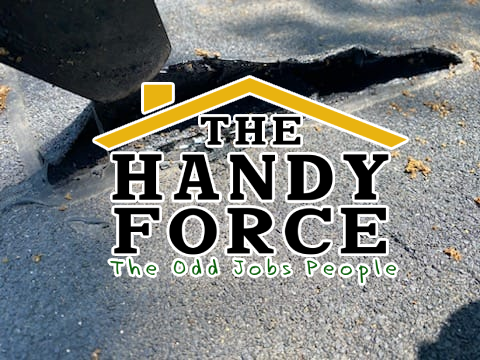
Short version: Toronto flat roofs almost always fail at the seams, the flashing or the drain, not across the whole surface. On a roof under about fifteen years old that is otherwise sound, a proper repair is usually enough. The sections below show how to tell a repair from a replacement, and what each membrane type involves.
Flat roofs are extremely common in Toronto – on the back additions of older homes, on rowhouses and semi-detached houses throughout the east end, on garages, and increasingly on new construction where flat roof design is deliberately chosen. They’re also widely misunderstood.
Here’s what you actually need to know if you have one.
Why Toronto Has So Many Flat Roofs
The typical pattern: a Victorian or Edwardian semi-detached home has a pitched roof on the main structure, and a one or two-storey addition at the rear with a flat roof. The addition was built decades after the original house, often without a permit, using whatever was inexpensive and available. These flat roofs have been variously reroofed, patched, and left alone over the decades – and their condition varies enormously.
Flat Roof Materials
Modified Bitumen (Most Common)
Modified bitumen is a torch-applied membrane – essentially a sophisticated version of traditional tar and gravel roofing. It’s the most common flat roofing material we install in Toronto. A properly applied modified bitumen roof lasts 15 to 25 years and performs well in Toronto’s freeze-thaw climate. The key word is ‘properly applied’ – it requires experienced installation.
TPO (Thermoplastic Polyolefin)
TPO is a single-ply membrane that has become increasingly common, particularly on larger flat roof areas. It’s white or light-coloured, which reflects heat and reduces cooling loads. It’s heat-welded at the seams rather than torched. TPO is durable and has a good performance record in Toronto.
EPDM (Rubber Membrane)
EPDM is a single-ply rubber membrane, typically black, that is glued or mechanically fastened and has the seams taped. It’s cost-effective and performs well, but the taped seams are a potential failure point over time.
Built-Up Roofing (BUR / Tar and Gravel)
Traditional tar and gravel roofing is still present on many older Toronto homes. It’s heavy, has a long track record, and when it fails it tends to fail slowly (showing up as blistering and cracking) rather than suddenly. It’s generally replaced with modified bitumen or TPO when it reaches the end of its life.
The Drainage Problem
A flat roof is not actually flat – it should have a slight slope (typically 1/4 inch per foot) toward the drains or scuppers. When a flat roof ponds water – develops areas where water sits after rain rather than draining – it accelerates membrane deterioration and increases leak risk dramatically.
Ponding water is one of the first things we look at when assessing a flat roof. Sometimes the solution is improving the drainage outlet; sometimes it requires adding tapered insulation to improve the slope.
Maintenance
Flat roofs need more active maintenance than pitched roofs. Drain outlets should be cleared of debris every spring and fall. The membrane should be inspected annually for blistering, cracking, and areas where the membrane has lifted at seams or edges. Flashing at parapet walls, vents, and where the flat roof meets the main structure should be checked regularly – this is the most common failure point.
Repair vs. Replacement
Flat roofs can often be repaired if the damage is localized – a failed seam, a small blister, a cracked flashing. The decision to replace comes when the membrane is near the end of its service life, when ponding water has been present long enough to degrade the material systemically, or when multiple repairs have been made and the membrane is becoming unreliable.
A flat roof that is repeatedly patched without addressing the underlying issues is a roof that will eventually fail badly. If you’re on your third patch in five years, a replacement assessment is warranted.
Ready to Talk?
If you have questions about your home – or you’re ready to get started – call us at 647-427-7366 or request a quote at thehandyforce.com. We serve East York, North York, and the surrounding Toronto neighbourhoods.